Window and pressure cleaning works best when exterior washing comes first and glass cleaning comes last. Washing siding, roof edges, soffits, gutters, and other surfaces can send dirty water toward windows. A final window service then removes spots, soap film, dust, and debris from the glass, frames, tracks, and screens.
Table of Contents
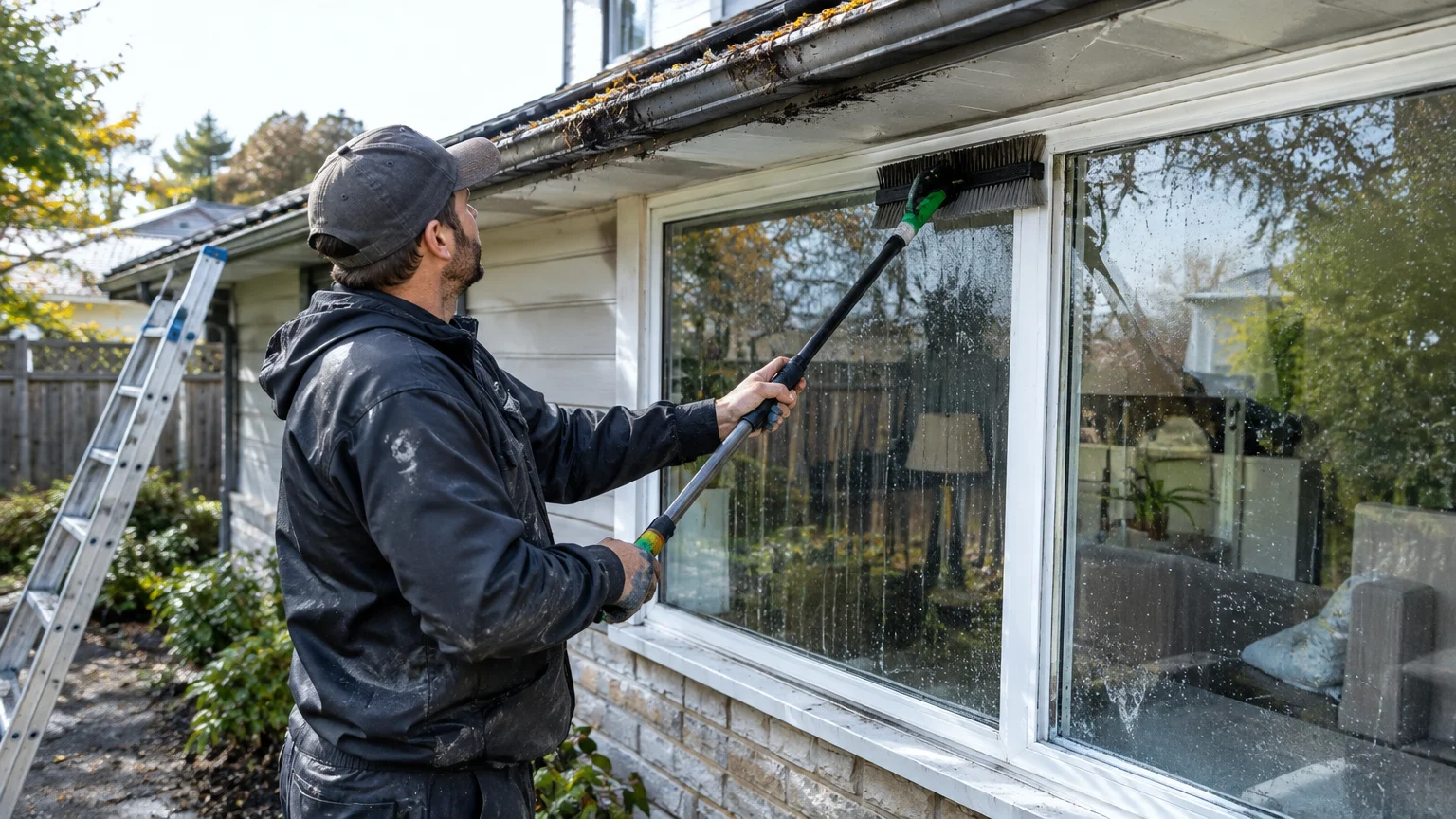
- Should windows be cleaned before or after pressure washing?
- How does pressure washing cause window spotting?
- What is the correct order for window and pressure cleaning?
- How should house washing be coordinated with window cleaning?
- Can windows be cleaned safely after gutter cleaning and exterior washing?
- What should commercial properties know about combining window and exterior cleaning?
- How can you prevent spotting after the cleaning is complete?
- Frequently Asked Questions
Should windows be cleaned before or after pressure washing?
Windows should usually be cleaned after pressure washing. Exterior washing can move dust, dirt, soap, and loose leaves onto nearby glass. Cleaning the windows last removes that residue and leaves the property ready for a final check.
This order also protects work that is already done. A house wash may clean siding, trim, soffits, and areas above the windows. Water from those surfaces can run down the glass. If the glass is cleaned first, the final rinse may leave fresh marks.
Why exterior washing should usually come first
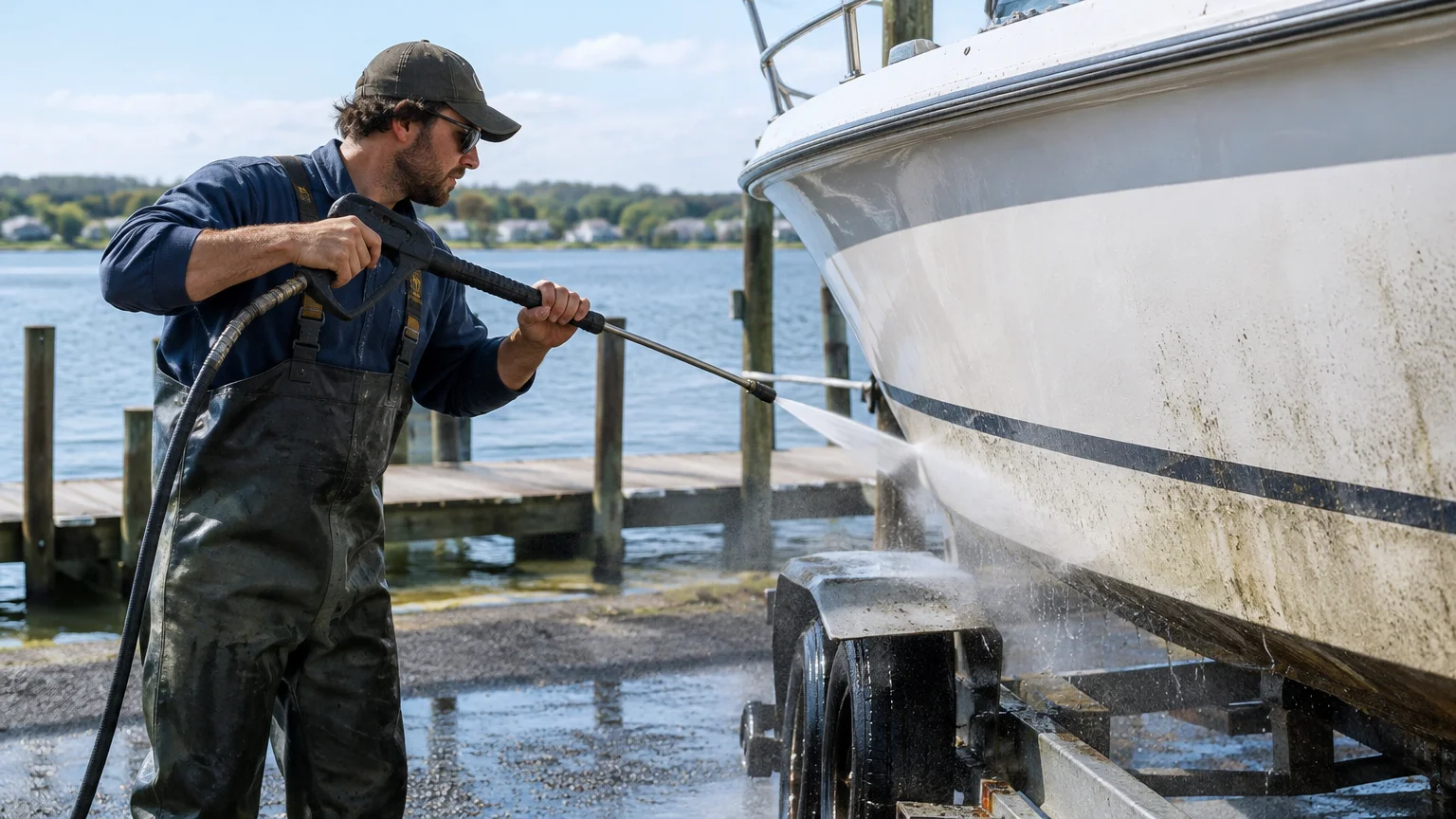
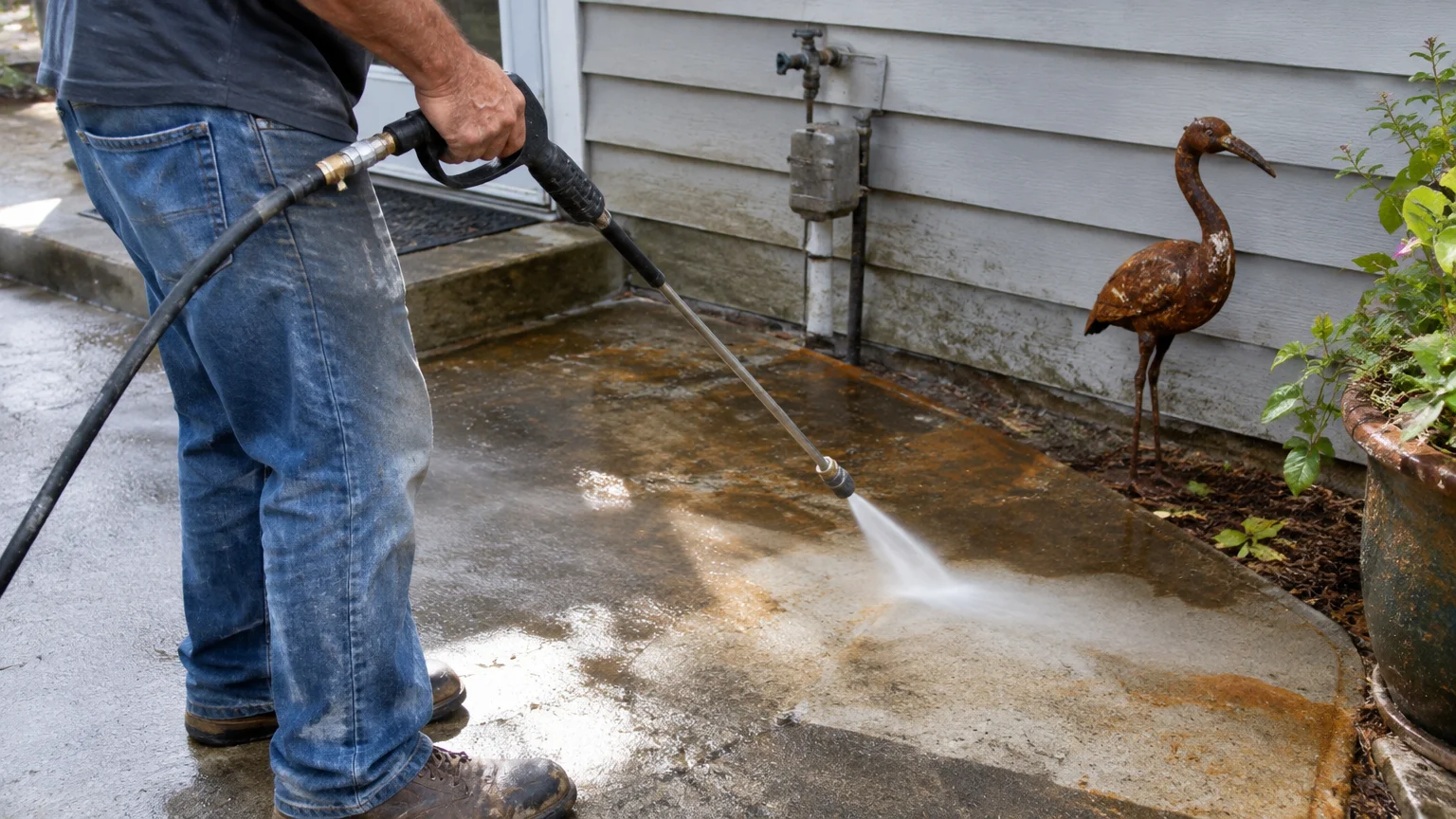
House washing is often the messier part of the visit. It may include a low-pressure soft wash, a stronger rinse for hard surfaces, or gutter cleaning near the roofline. Soft washing uses cleaning solution and low water pressure. It helps remove organic growth from surfaces that high pressure could harm. Either method can send residue toward windows.
A good plan starts at the top and moves down. The crew can wash roof edges, gutters, soffits, siding, porches, and other outdoor surfaces. Window cleaning then becomes the final step. This order helps homes in Richmond, where pollen, dust, and seasonal grime can collect around windows.
When the order may change for delicate surfaces
The order is not the same for every property. Delicate windows, old seals, stained glass, loose screens, and fragile trim may need care before exterior washing starts. A technician may inspect these areas first. They may cover or remove parts that could be harmed.
A homeowner does not need professional help for every window task. Light interior dusting, easy screen cleaning, and wiping a reachable sill are often safe do-it-yourself jobs. Professional help is wise when windows are high, seals are damaged, hard water marks are severe, or washing may affect nearby glass.
How does pressure washing cause window spotting?
Pressure washing can cause window spots when water dries on glass with minerals, soap, or dirt. The spots often stand out more when sunlight dries the glass. A final rinse and careful glass cleaning help remove this film before it becomes hard to clean.
Spotting does not always mean the glass is damaged. It may be a surface deposit left by water or cleaning solution. Hard water spots are mineral deposits. They form when water dries and leaves dissolved minerals on the glass.
Minerals, detergent residue, and runoff on glass
Water from an outdoor spigot may contain minerals. When that water dries, it can leave small white marks. Runoff from siding, gutters, roof edges, and window trim may also carry dirt or cleaning solution onto the glass.
Sun and heat can make this problem worse by drying the surface fast. Wind may spread drops across nearby panes. A clean water rinse can help, but old mineral deposits may need a glass-safe product. Harsh scraping or rough pads can scratch the surface.
The right method depends on the type of window. Coated glass, tinted glass, and older panes may need different products. A careful technician checks the glass before using any tool or solution.
How frames, tracks, and screens collect debris
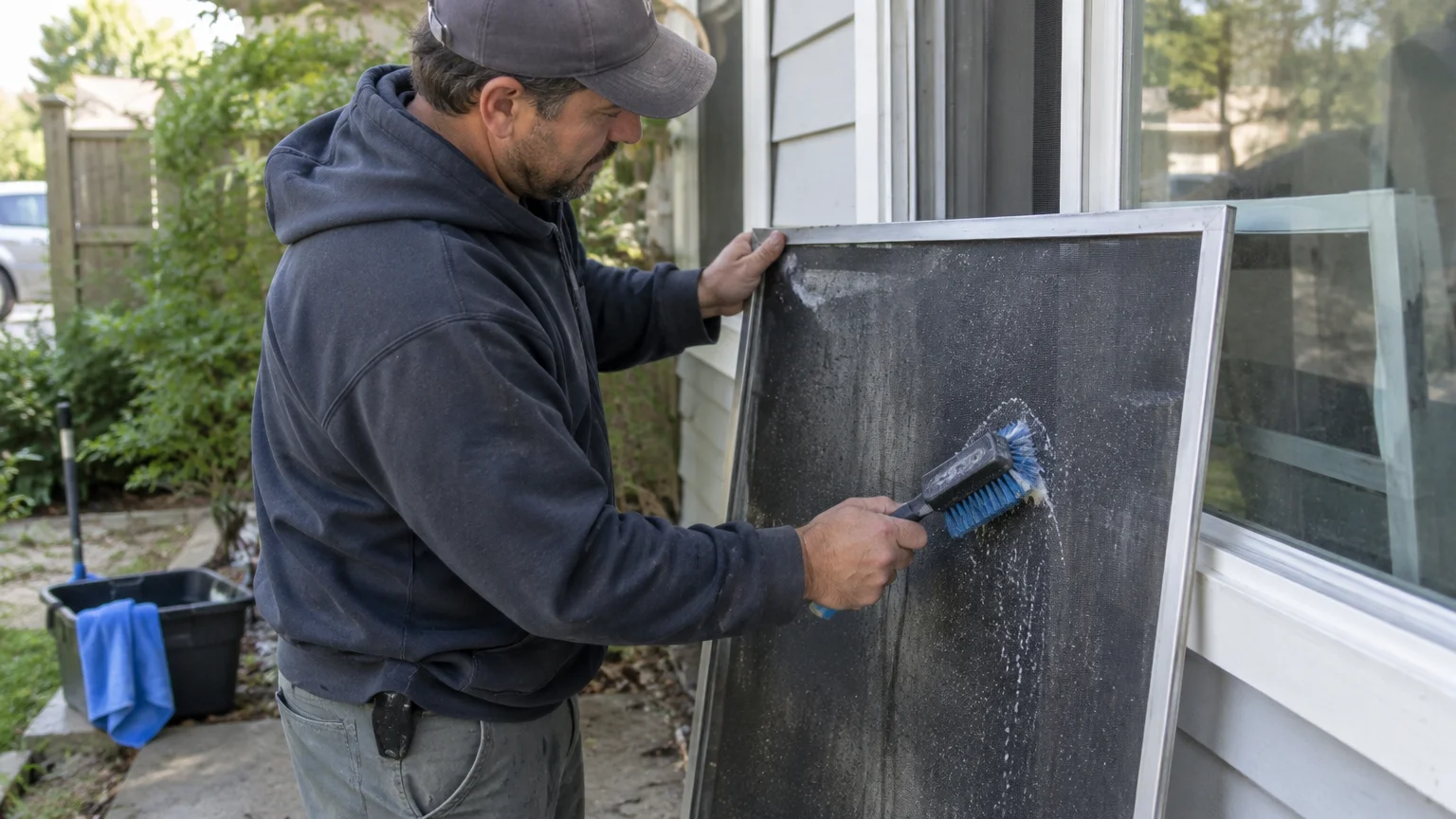
Glass is only one part of a window. Frames can hold dirt in their corners. Tracks collect grit, insects, leaves, and dried soap. Screens may trap pollen and small bits that later wash back onto the glass.
These areas matter during window and pressure cleaning because water can move debris from one part to another. A complete service should check the glass, frames, tracks, and screens. It should also make sure drainage holes remain clear.
What is the correct order for window and pressure cleaning?
The right order is inspection, property preparation, exterior washing, careful rinsing, and final window cleaning. The steps may change with the building, surface, weather, and window condition. The main goal is to keep dirty water away from finished glass.
A clear plan also helps homeowners know what to expect. Pressure Washing Richmond VA can help Richmond homeowners decide which areas should be cleaned first. The team can also note which window parts need extra care.
Preparing the property and protecting window components
Before work starts, the property should be checked for loose screens, cracked panes, damaged seals, open windows, and fragile decorations. Doors and windows should be closed. Plants, furniture, and items near walls may need to be moved or covered.
The following steps can help reduce problems:
- Check windows, frames, screens, and tracks for damage.
- Close all windows and secure loose screens before washing.
- Move outdoor furniture and decorations away from wet areas.
- Protect delicate plants and items near walls, doors, and gutters.
- Point out leaks, stains, or areas needing special care.
Preparation is also the right time to discuss access. A homeowner should mention rooms needing interior window cleaning, locked gates, pets, and areas where water must be controlled.
Rinsing, washing, and finishing the glass
Exterior washing should usually begin with upper surfaces. The crew can work down the building while controlling runoff. Windows may receive a careful rinse when needed, but final glass cleaning should happen after nearby surfaces are complete.
Window cleaning may include washing the glass, wiping frames, brushing tracks, and cleaning screens. The glass is then dried or rinsed with a method suited to the pane. The final check should happen in natural light when possible. It should look for streaks, spots, missed edges, and water near seals.
How should house washing be coordinated with window cleaning?
House washing and window cleaning should be planned as one outdoor maintenance visit when possible. The house wash handles siding and other large surfaces first. The window service follows after runoff has been controlled and nearby surfaces have dried or been rinsed.
This plan creates a cleaner finish and reduces repeat work. It also gives the homeowner one clear work order. Separate visits may interfere with each other if the order is not planned.
Sequencing siding, soffits, gutters, and windows
A common sequence begins with an inspection. Gutter or roof-edge work follows when needed. The crew then handles soffits, siding, porches, and other outdoor surfaces. Windows are cleaned after the surrounding work is complete.
The order may change if gutters hold heavy debris or roof-edge runoff could soil lower windows. In those cases, gutter work may need to happen early. If a surface is delicate, the crew may use lower pressure, extra protection, or a separate visit.
Window Cleaning Services can cover glass, frames, tracks, and screens. House Washing Services can address siding and other outdoor areas. Driveway cleaning, concrete cleaning, deck cleaning, and fence cleaning may also need their own order. Naming each task helps the homeowner and crew keep the plan clear.
Communication points for homeowners and service professionals
Good communication prevents many cleaning problems. The homeowner should share known leaks, damaged seals, stuck windows, fragile screens, and areas that caused trouble before. The crew should explain which surfaces will be washed and which window parts will be cleaned.
Weather also matters. Heavy rain, strong wind, and freezing conditions can affect outdoor work. The best plan protects the property, keeps walkways safe, and gives the crew time to check the finished result.
Can windows be cleaned safely after gutter cleaning and exterior washing?
Yes, windows can usually be cleaned safely after gutter cleaning and exterior washing when runoff is controlled. The crew should check roof edges, gutters, downspouts, frames, tracks, and drainage points before finishing the glass.
Gutter work can release leaves, grit, and dark organic residue. That material may land on windows or sills. Cleaning those areas before the final window pass helps prevent new marks.
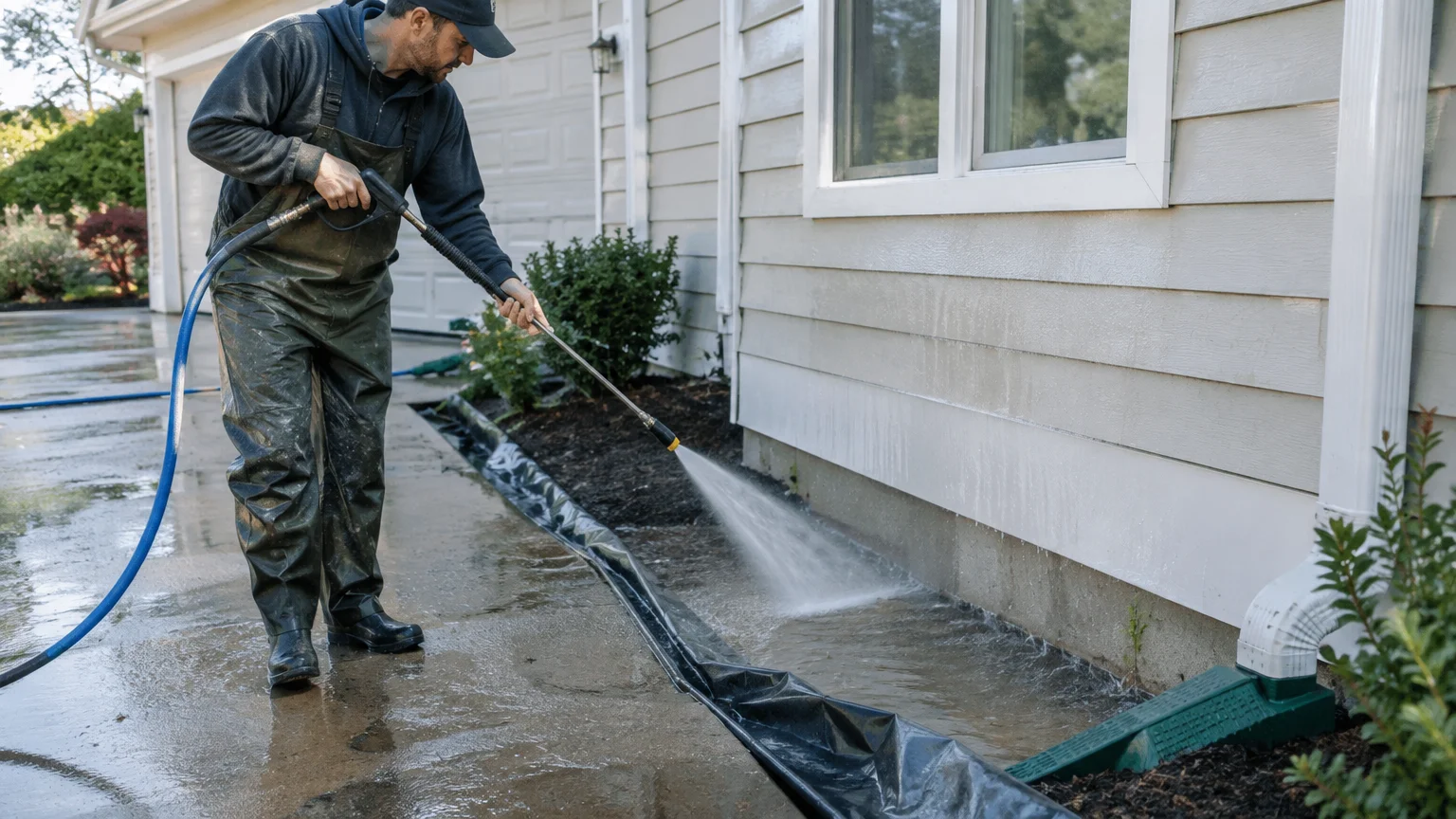
Managing dirty runoff from gutters and roof edges
Downspouts should direct water away from walls, doors, and finished windows. If a downspout drains near a window, the crew may need to control the flow during washing. Splashing can carry dirt back onto glass that was already cleaned.
Roof edges also need care. Moss, pollen, and loose grit can fall during cleaning. The area below should be rinsed and checked before window work starts. A homeowner can help by clearing items from the wall and pointing out drainage concerns.
Professional gutter and outdoor maintenance is useful when ladders, roof access, or unstable surfaces create a fall risk. Homeowners can safely remove light debris from ground-level areas when they do not need to climb or work near electrical lines.
Checking screens, tracks, seals, and drainage areas
After washing, screens should be checked for trapped debris. Tracks should be wiped or vacuumed when suitable. Weep holes are small openings that let water drain from a window frame. They should remain clear.
Seals should also be inspected. A damaged seal can let water enter the frame or cause fogging between panes. Cleaning will not repair that problem. A technician should report visible damage instead of forcing a window or using strong pressure near it.
What should commercial properties know about combining window and exterior cleaning?
Commercial properties need a work plan that protects safety, access, and normal business activity. Window and outdoor cleaning should account for entrances, sidewalks, tenants, customers, deliveries, and building hours.
A written sequence can help owners, managers, and cleaning teams stay aligned. It should identify work zones, water-sensitive areas, access points, and the order for upper and lower surfaces.
Planning around entrances, tenants, customers, and operating hours
Entrance glass should be cleaned when foot traffic is lower. Wet floors and hoses can create hazards near doors. Signs, barriers, and clear notices may be needed while work is underway.
Retail buildings, offices, apartments, and mixed-use properties may need different plans. Tenants should know when windows must remain closed. Managers should also identify loading zones, fire exits, sensitive equipment, and areas where runoff cannot enter.
Commercial Window Cleaning Service work may include regular glass care, while Pressure Washing Services can handle outdoor surfaces. Coordinating the services reduces overlap. It also helps keep the property presentable during normal operations.
Coordinating recurring maintenance without disrupting the property
Regular maintenance should follow the building’s soil, weather, and use patterns. A property near a busy road may collect dust faster than a quiet office. Trees, sprinklers, roof runoff, and shaded walls may also affect the schedule.
The plan should include a final walk-through. Managers can check glass, frames, entrances, sidewalks, and drainage points. Notes from each visit can help find repeat issues, such as a leaking downspout or a screen that does not fit correctly.
How can you prevent spotting after the cleaning is complete?
Spotting is easier to prevent when exterior washing is finished first and windows receive a careful final check. Clean tools, controlled runoff, suitable products, and good timing all help protect the result.
Homeowners can support the work by keeping windows closed, moving items away from walls, and reporting known glass damage. They should avoid wiping wet glass with household towels. Towels may spread dirt or leave lint.
Final inspection checklist for glass and window components
A final inspection should look at each pane from more than one angle. Bright sunlight can reveal marks that are hard to see in shade. Frames, tracks, screens, sills, and drainage openings should also be checked.
- Look for streaks, mineral spots, soap film, and missed edges.
- Check screens for trapped pollen, leaves, and loose mesh.
- Inspect tracks and sills for standing water or leftover grit.
- Confirm that windows close, latch, and drain as expected.
- Review doors, sidewalks, and entry areas for slippery runoff.
If a mark remains, its cause should be found before more pressure or scraping is used. Some stains are mineral deposits. Others may be etched glass, damaged coating, or lasting surface wear.
Key takeaways for planning the next exterior cleaning service
The main lesson is simple: clean the outside first and finish the windows last. This order limits new residue on the glass. It also gives the crew time to inspect the whole window system.
- Exterior washing usually comes before final window cleaning.
- Gutters and roof edges should be checked before glass is finished.
- Frames, tracks, screens, seals, and drainage openings need attention.
- Delicate glass and damaged windows need a careful inspection.
- Commercial properties need a plan for access, safety, and work hours.
Pressure Washing Richmond VA serves property owners who want a clear plan for window and pressure cleaning. The right sequence can help homes and businesses in Richmond keep outdoor surfaces cleaner and easier to maintain.
Frequently Asked Questions
Should windows be cleaned before or after a house wash?
Windows should usually be cleaned after a house wash. Siding, soffits, gutters, and roof edges can send dirt or cleaning solution toward the glass. Cleaning windows last removes that residue. A technician may inspect or protect delicate windows before washing begins.
Can pressure washing damage window seals?
It can damage seals when strong pressure is aimed directly at window edges or damaged areas. Proper work keeps pressure away from fragile seals. It also uses a method suited to the surface. Cracked panes, loose seals, and fogged glass should be reported before cleaning.
Does window cleaning include screens and tracks?
Many window cleaning services can include screens and tracks, but the work should be confirmed before it starts. Screens may need gentle brushing or washing. Tracks may need vacuuming and wiping. Heavy debris, damaged mesh, or blocked drainage openings may need extra care.
How can homeowners remove light window dirt safely?
Homeowners can clean easy-to-reach glass with a soft cloth, clean water, and a mild glass-safe product. They should avoid ladders, rough pads, and strong pressure near seals. High windows, hard water deposits, and damaged glass are better handled by a trained professional.
Can window and pressure cleaning be done on the same day?
Yes, both services can often be completed during the same visit when the property and weather allow it. Exterior surfaces are usually washed first, followed by the final window service. The crew should adjust the plan for delicate glass, heavy runoff, business hours, or unsafe access.
Conclusion
The order of cleaning affects the final look of a property. Exterior washing should usually come first, while window cleaning serves as the final detail. This sequence helps limit spotting, protects window parts, and makes missed areas easier to find.
For homes and businesses across the Richmond area, including The Fan District, Church Hill, Henrico, Mechanicsville, Bon Air, Midlothian, and nearby communities, a planned service can also reduce disruption. Pressure Washing Richmond VA can help organize the work around the property. Contact us to arrange window and exterior cleaning in Richmond.